
Popular financial commentator and social media personality GehGeh has urged streamer Peller to apologise to rapper Ycee following a heated online exchange sparked by Ycee’s criticism of the so-called “Peller culture” in Nigeria. The dispute, which gained widespread attention on social media, began when Ycee expressed concern over a shift in societal values, arguing that academic excellence is no longer celebrated and that many young people now believe they can achieve success solely through viral content creation. He highlighted how content creators often prioritize views and engagement over meaningful contributions to society, a sentiment that drew a sharp response from Peller.
Peller, a prominent online personality and content creator, dismissed Ycee’s remarks, questioning why some musicians look down on content creators despite relying on them for promotion and visibility. He argued that content creators have become essential to the entertainment industry, often serving as the primary channel through which artists reach wider audiences. “Some OGs don’t deserve respect. This kind Ycee man, now see wetin elderly man dey talk. You people bring music promotion to the so-called olodo, na the same people una dey promote and beg with small money,” Peller stated in his response. He further emphasized that musicians frequently turn to online creators when they need to promote songs or projects, adding, “Na online una sabi give money. When una wan promote music, na still these same people una dey run come meet.”
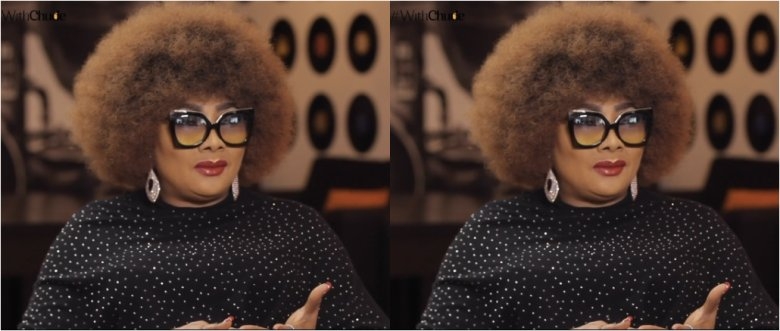
Despite Peller’s defense of content creators, GehGeh criticized his reaction as unprofessional and poorly handled. The financial commentator called on Peller to apologize to Ycee, stating that the exchange had brought unnecessary public disgrace. GehGeh stressed that financial success should not be a barrier to personal growth and education. “Peller, I want you to go apologise to Ycee. You brought this public disgrace to yourself. You’ve made money, all you need right now isn’t marriage or love. You need education for you to go places as a streamer,” GehGeh said.
The incident has reignited conversations about the role of content creators in Nigerian society and the need for balance between entertainment and education. While some support Peller’s stance on the importance of online influencers in the music industry, others agree with GehGeh that public figures should maintain professionalism and humility, especially when engaging with fellow artists. As the debate continues, the incident underscores the growing influence of digital content and the responsibilities that come with it. The outcome of this exchange may shape how future discussions between artists and creators are handled in the Nigerian entertainment space.



Leave a Comment