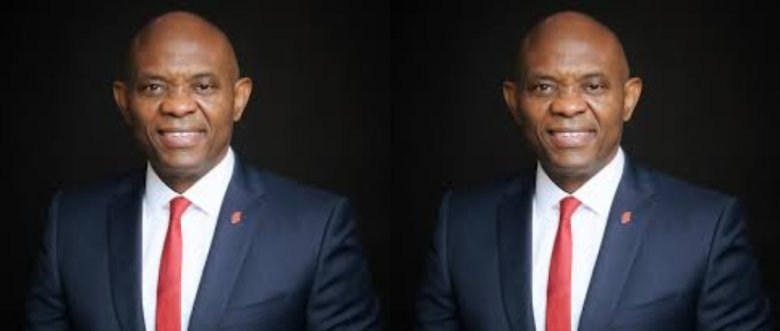
Tony Elumelu Reveals Key Insights: Success Is More Than Just Hard Work

Tony Elumelu Reveals Key Insights: Success Is More Than Just Hard Work

Nigerian billionaire and philanthropist Tony Elumelu has openly credited luck as a major factor in his rise to success, stating that achievements are not solely the result of talent, intelligence, or hard work. Speaking in an interview with Korty EO, Elumelu reflected on his journey in business and leadership, emphasizing that timing and opportunity often play decisive roles in shaping outcomes. He described himself as “a product of luck,” acknowledging that favorable circumstances, combined with preparation, determination, and effort, contributed to his career growth. The Heirs Holdings chairman’s remarks have sparked widespread discussion, particularly among young entrepreneurs and professionals seeking to understand the dynamics behind success in Nigeria and beyond.

Elumelu explained that success does not always go to the most capable or the hardest-working individual. He noted that even the most skilled and energetic people may not achieve their goals if the right opportunities are not available at the right time. “At times you don’t come out successful because you are the best in class or because you’re the fittest or most energetic, sometimes you need luck and I’m a product of luck,” he said. His candid admission challenges the common narrative that success is purely merit-based, offering a more nuanced perspective on personal and professional achievement. This insight resonates deeply in Nigeria, where many aspire to break barriers in business, politics, and other sectors.

Meanwhile, a separate development has stirred public debate following the circulation of a viral video on social media. The clip features a woman allegedly receiving ₦15,000 in exchange for her vote in the Ekiti State governorship election. In the video, she is seen displaying the cash while declaring, “APC for life. 15,000 Naira per vote, don’t whine me.” The footage has drawn sharp criticism from Nigerians who argue that such actions undermine electoral integrity and erode public trust in the democratic process. Many have called for a thorough investigation by electoral authorities to verify the authenticity of the claim and take appropriate action if necessary.

The incident has reignited conversations about vote-buying, voter inducement, and the broader challenges facing Nigeria’s electoral system. While some question whether the video is genuine or staged, the widespread reaction underscores growing concerns about transparency and accountability in elections. As Nigeria continues to navigate its democratic journey, incidents like this highlight the need for stronger oversight, public awareness, and enforcement of electoral laws. Elumelu’s reflection on luck and the viral video together paint a complex picture of success and governance in Nigeria—one that blends personal achievement with systemic challenges.