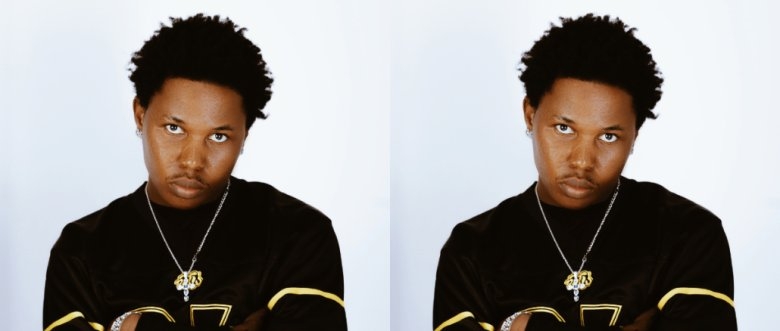
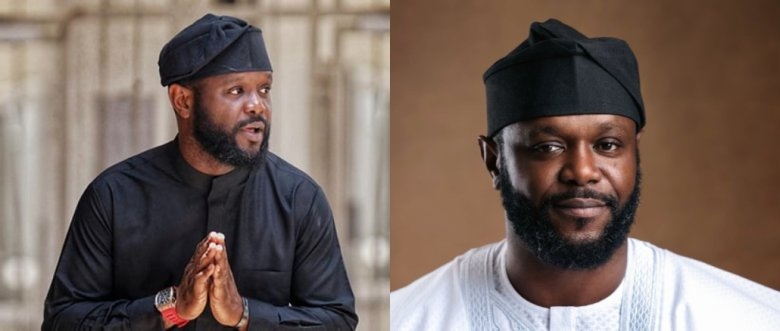
Nigerian music artist Shoday has opened up about his decision not to get any tattoos, citing caution and a realistic approach to life and career as his main reasons. In a recent statement shared on social media, the singer explained that he remains skeptical about relying solely on his music career for long-term success. He emphasized that if his music journey does not pan out as expected, he is ready to return to office work, carrying his files and resuming a more traditional professional path. This revelation has sparked widespread discussion among fans and industry observers about the importance of having backup plans in the unpredictable world of entertainment.
Shoday’s comments reflect a grounded mindset that stands out in an industry often associated with flamboyance and risk-taking. He believes that while music is his passion and current focus, it should not be the only foundation for his future. His decision to avoid tattoos is symbolic of this philosophy — a physical reminder that he is keeping his options open and not locking himself into a single identity or career trajectory. He stated, “I don’t have a tattoo on my body because I am skeptical, if music doesn’t work, I will carry my files and go back to office work.” The quote, shared via Twitter by YabaLeftOnline on June 1, 2026, has since circulated widely, resonating with many young Nigerians navigating their own career choices.
His perspective challenges the common narrative that success in music must be celebrated with permanent marks or bold statements. Instead, Shoday’s approach underscores the value of discipline, foresight, and emotional intelligence in managing a career in the arts. Many fans have praised him for this level-headed outlook, viewing it as a sign of maturity rather than doubt. In a field where overnight fame can quickly fade, his emphasis on preparation and flexibility offers a refreshing contrast to the typical celebrity mindset.
The conversation around Shoday’s statement has also highlighted broader themes of career planning and financial security in Nigeria’s entertainment industry. With rising competition and limited stable income streams, artists are increasingly seeking ways to diversify their skills and income sources. Shoday’s readiness to return to office work demonstrates that he values stability and personal growth over fleeting fame. His words serve as a reminder that success in music, like any other field, requires resilience and adaptability.
As the Nigerian music scene continues to evolve, artists like Shoday are setting examples of responsible career management. His decision not to get tattoos may seem small, but it represents a larger commitment to self-awareness and long-term planning. In the years ahead, his approach may inspire a new generation of creatives to build careers that are not only passionate but also sustainable.

Leave a Comment