Billionaire Keji Giwa Explains Why He Supports Tinubu: "Politics Is Part of Business"

Billionaire Keji Giwa Explains Why He Supports Tinubu: Politics Is Part of Business

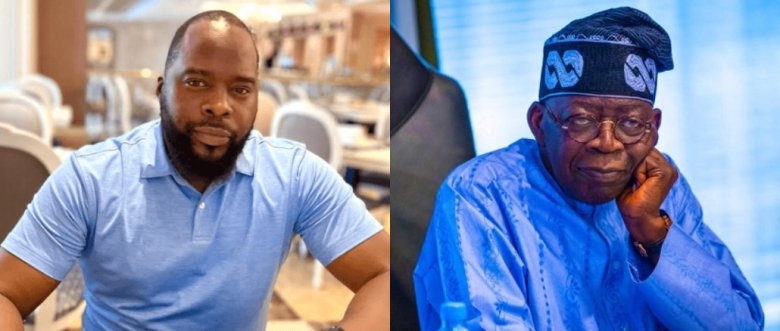
Nigerian billionaire Keji Giwa has ignited a national conversation after publicly defending his support for President Bola Ahmed Tinubu, asserting that business success in Nigeria is inextricably linked to political influence. His remarks, which emphasize the necessity of aligning with political powers for entrepreneurial survival, have drawn sharp criticism and widespread debate across social media platforms. Giwa, a prominent real estate mogul, argues that ignoring politics in business operations is unrealistic and often leads to failure, especially in a country where government decisions directly impact economic activities.

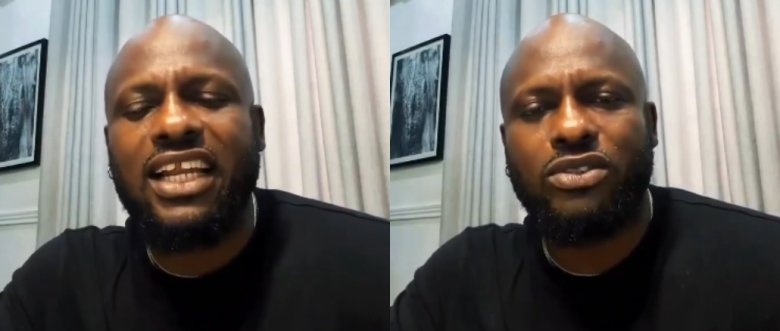
Giwa responded to critics who question his loyalty to Tinubu by challenging them to consider the real-world consequences of their opposition. He asked whether they would be willing to financially support his family if his business faced setbacks due to political instability or policy shifts. This direct challenge has further fueled the online discourse, with many users expressing shock at his unapologetic stance. His comments reflect a broader sentiment among some Nigerian business leaders who view political engagement as a strategic necessity rather than a moral choice.

In a particularly controversial statement, Giwa declared, “Whether Nigeria gets better or not, I am perfectly okay; in fact, I am banking on it not getting better.” This remark has been interpreted by many as a cynical endorsement of the status quo, suggesting that he benefits from the country’s current challenges. He also touched on religious themes, stating that he has accepted the spiritual consequences of his choices and is unconcerned about divine judgment. This perspective has drawn sharp reactions, especially from religious groups and individuals who view his attitude as morally irresponsible.

Giwa’s workplace policies have also come under scrutiny. He revealed that any employee who says “God will provide” is subject to immediate termination, highlighting his emphasis on self-reliance and action over faith-based passivity. This rule has sparked mixed reactions, with some praising his no-nonsense approach to business, while others criticize it as harsh and spiritually insensitive.

Social media reactions have been polarized. Some users accused him of profiting from Nigeria’s instability, while others praised his honesty and realism. Comments ranged from religious warnings to sarcastic remarks, with one user quoting 2 Timothy 3:1-5 to highlight the dangers of self-centeredness. Another user noted, “The beauty is that he knows that supporting Tinubu means he does not want a better Nigeria.” Despite the backlash, Giwa remains unapologetic, reinforcing his belief that survival in Nigerian business demands political pragmatism.

As the debate continues, Giwa’s statements underscore a growing tension between ethical governance and economic survival in Nigeria. His views may influence how future business leaders navigate politics, but they also raise urgent questions about accountability, national progress, and the role of wealth in shaping public policy. The conversation around his remarks is likely to persist, reflecting deeper societal divides over Nigeria’s direction.