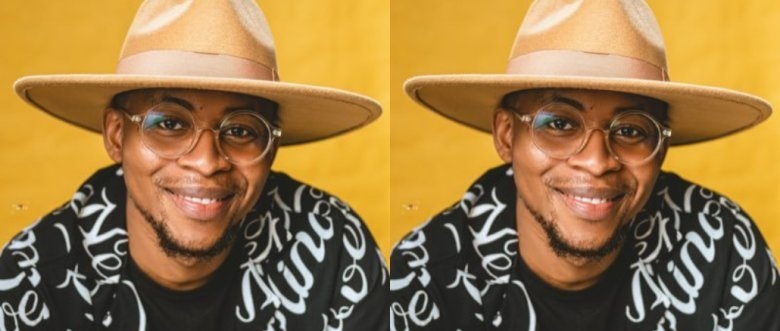
Controversial media commentator Solomon Buchi has ignited a national debate after criticizing Nigerians, especially the Yoruba community, for celebrating the Ojude Oba festival amid ongoing social and political issues. His remarks, shared on social media, have drawn sharp reactions from users across Nigeria, sparking a wider conversation about cultural expression, activism, and political commentary. The Ojude Oba festival, a significant cultural event in Ijebu-Ode, Ogun State, took place on May 30, 2026, and was marked by vibrant traditional performances, music, and community gatherings. Buchi’s post questioned the continuity of such celebrations in the face of national challenges, suggesting that in a “sane country,” the festival should not have proceeded.
In his viral statement, Buchi wrote: “After a brief wave of social media activism, just calling out issues for a few seconds, a whole festival by Yoruba people went on with partying. In a sane country, that festival should not have continued.” This comment quickly gained traction online, with many users interpreting it as a thinly veiled political jab rather than a genuine critique of cultural practices. Social media platforms, particularly X (formerly Twitter), became a battleground for differing viewpoints, with some defending the festival’s cultural importance and others condemning Buchi’s tone and timing.
Supporters of the Ojude Oba festival argued that cultural heritage should not be politicized. User @kingwizzi_tweet wrote, “What’s wrong with them preserving their culture and traditions? Ojude Oba festival 💯,” highlighting the event’s role in fostering community identity and pride. Others, like @VawulenceToons, accused Buchi of using the moment for personal gain, stating, “This vampz u funny sha. Person dey attack ur culture for political reasons. U post am because of elon funds. Na wa.” Meanwhile, @michel_hanniels questioned the double standards, pointing out that political rallies and party primaries continue without similar criticism.
The backlash also revealed deeper tensions around activism in Nigeria. Some users expressed frustration with what they see as performative outrage, while others defended the right to celebrate cultural events regardless of current political climates. @It_michii simply asked, “what’s really going on in this country,” reflecting the broader disillusionment felt by many. Despite the controversy, the Ojude Oba festival proceeded as planned, underscoring its enduring significance to the Yoruba people and the broader Nigerian cultural landscape.
As the debate continues, the incident highlights the complex interplay between cultural expression and political discourse in Nigeria. The public’s reaction suggests a growing demand for more nuanced discussions, where cultural heritage and social activism can coexist without one being used to undermine the other. The conversation around Solomon Buchi’s comments is likely to persist, shaping how future cultural events are perceived in the context of national challenges.


Leave a Comment