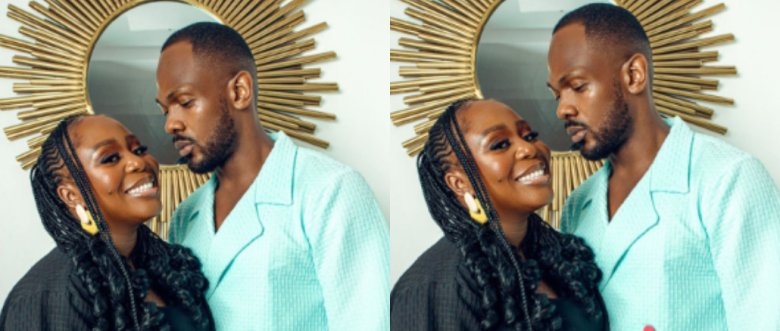
Nollywood actor Daniel Etim Effiong has ignited a fierce online debate after advising women to focus on helping their cheating husbands “come out of the problem” rather than prioritizing their own emotional needs. The statement, made during a recent public discussion, has sparked widespread reactions across social media platforms, with many Nigerians questioning his stance on marital infidelity. His words, “If your husband cheats, the first thing is to find how to help him come out of the problem. Don’t be self-seeking about it,” quickly went viral, drawing both support and sharp criticism. The controversy has become a major talking point on Twitter and other digital spaces, with users dissecting the ethics of forgiveness, accountability, and gender dynamics in relationships.
The actor’s comments have been met with strong opposition from many social media users who argue that infidelity is a personal choice and not a behavioral issue that should be fixed by the wronged partner. Critics say that expecting a wife to “help” a cheating husband ignores the emotional harm caused and places undue responsibility on the victim. One user, @OfficialJojo0, challenged the sentiment directly, asking, “Make you cheat then I come dey reason how to help you out of it?” Another, @OnoyomDavid, labeled Effiong a “cheater sympathizer,” suggesting his words normalize betrayal. These responses reflect a broader societal tension around how infidelity is perceived and addressed, especially when gender roles are involved.
Some users highlighted the double standards that exist in how men and women are treated when they cheat. @briggsinph pointed out the hypocrisy, writing, “But when a woman cheats, she’d be humiliated and casted….okay na,” emphasizing the unequal consequences faced by women in similar situations. Others argued that marriage should not be a one-sided effort to mend a partner’s moral failures. “It’s now that you want her to change a grown ass man? Better leave o,” commented @Kelvin_iconic, suggesting that personal accountability should come before reconciliation.
Despite the backlash, a few supporters of Effiong’s view believe in the power of forgiveness and healing within marriage. @RealAbelabsn wrote, “If your husband cheats as a woman don’t make the mistake to leaving the marriage or trying to do the same thing,” advocating for patience and emotional maturity. However, these voices remain outnumbered by those demanding accountability and respect for personal boundaries.
The controversy has also prompted humor and sarcasm online, with users predicting a week-long storm of reactions. @MissGijae joked, “Oh chim not again, 😩 we no go rest this week now, so many takes will start flying left and right 😭,” capturing the mood of a nation deeply engaged in the debate. As the discussion continues, Effiong’s remarks have added fuel to ongoing conversations about marriage, gender roles, and the limits of forgiveness in Nigerian society. The incident underscores how deeply personal and cultural values shape public discourse on relationships.

Leave a Comment