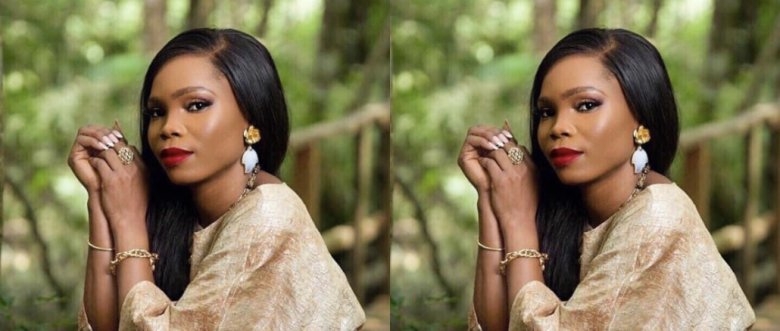
Gospel singer Victoria Orenze has raised serious questions about Nigeria’s economic policies, sparking widespread online debate after she publicly challenged the government’s approach to fuel subsidy removal, continued borrowing, and taxation. In a viral social media post on April 28, 2026, Orenze asked, “How can subsidy be removed and we are still borrowing? Why are we paying tax for what we are not getting?” Her remarks have resonated with many Nigerians grappling with rising costs of living and declining public services.
Orenze’s comments highlight a growing public concern over the perceived disconnect between government economic decisions and their real-world impact on ordinary citizens. She pointed out the contradiction of removing fuel subsidies—often framed as a cost-saving measure—while simultaneously increasing national borrowing. This, she argues, raises doubts about the true purpose and benefits of such policies. Her questioning also extends to taxation, emphasizing that citizens continue to pay taxes without seeing tangible improvements in infrastructure, healthcare, or education.
The removal of fuel subsidy, announced by the federal government in 2023, was intended to reduce fiscal pressure and redirect funds to critical sectors. However, critics argue that the policy has led to sharp increases in transportation and food prices, disproportionately affecting low-income households. Despite these challenges, the government has continued to borrow heavily from domestic and international sources to finance its budget, including through the issuance of sovereign bonds and loans from multilateral institutions.
Orenze’s query has drawn mixed reactions. Some Nigerians agree with her, calling for greater transparency in how borrowed funds are spent and demanding accountability in public finance management. Others argue that economic policy is complex and that borrowing is sometimes necessary for development projects. Still, the consensus remains that citizens deserve clearer explanations on how these policies are expected to improve their lives.
Her comments have also reignited conversations about inflation, which has remained stubbornly high, and the erosion of purchasing power across the country. Many are now urging policymakers to communicate more effectively with the public, especially on how economic reforms are designed to deliver long-term benefits. As Nigeria navigates its financial challenges, voices like Orenze’s underscore the need for inclusive and transparent economic governance. The debate she has sparked is likely to continue as citizens demand more accountability and visible results from government spending.


Leave a Comment