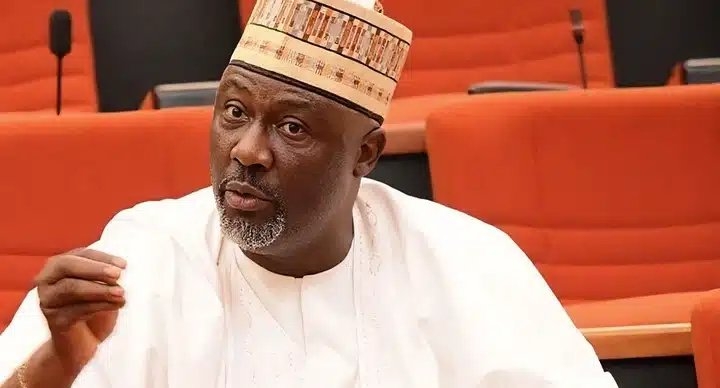
President Bola Tinubu has reshuffled his cabinet, sacking Minister of Finance Wale Edun and replacing him with Taiwo Oyedele, while also relieving Ahmed Musa Dangiwa of his role as Minister of Housing and Urban Development and appointing Muttaqha Rabe Darma (PhD) as the new ministerial nominee for the ministry. The announcement was made on Tuesday by the Office of the Secretary to the Government of the Federation, confirming a minor cabinet reshuffle approved by the President. This move has sparked reactions across political and public spheres, with ADC chieftain Dino Melaye leading the calls for transparency.
Melaye, in a post on his official Facebook page, directly challenged President Tinubu to disclose the reasons behind Edun’s removal. He questioned whether the sack was linked to the alleged ₦34 trillion stolen from Nigeria’s revenue, a figure reportedly highlighted by the World Bank. “Mr President, when Ministers are sacked in civilised climes, the government must explain why they are sacked,” Melaye wrote. He further emphasized, “Was the Minister of Finance removed because he could not cover up the stolen 24 billion dollars (34 trillion naira) diverted from our revenue? World Bank no dey lie. SDM.”
The former senator’s comments have drawn attention to ongoing concerns about fiscal transparency and accountability in Nigeria’s public finance management. His reference to the World Bank’s findings underscores growing public demand for clarity on how national revenue is being managed and protected. The ₦34 trillion figure, if accurate, represents a staggering amount that could have significant implications for Nigeria’s economic stability and development agenda.
The reshuffle comes at a time when Nigeria is grappling with economic challenges, including inflation, currency depreciation, and rising public debt. The appointment of Taiwo Oyedele as the new Finance Minister signals a shift in leadership at a critical ministry. Meanwhile, Muttaqha Rabe Darma’s nomination for Housing and Urban Development suggests a focus on rebuilding and revitalizing infrastructure in the housing sector.
As the new ministers prepare to assume their roles, public scrutiny is likely to intensify. The government’s ability to communicate the rationale behind the changes will be crucial in maintaining trust and confidence. The reshuffle may also signal a broader effort to reposition key ministries to address pressing national issues.
Moving forward, Nigerians will be watching closely to see how the new appointments impact policy direction and economic performance. The transparency and accountability demonstrated in this transition could set a precedent for future governance in the country.




Leave a Comment