
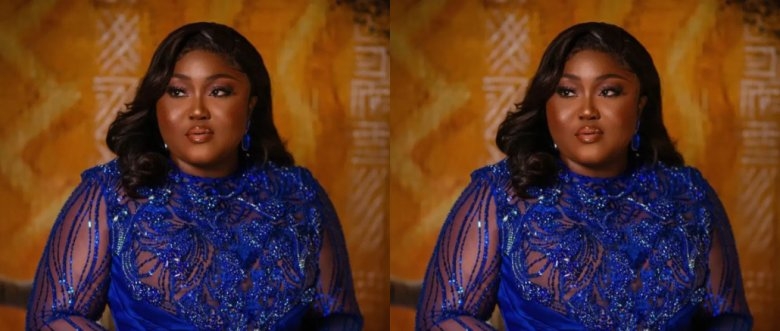
Reality TV star and actress Mercy Eke has opened up about her decision to undergo a Brazilian Butt Lift (BBL), revealing that peer pressure played a major role in her choice to go through with the cosmetic surgery. In a candid admission, she explained that the procedure was trending at the time, and the social pressure to conform influenced her decision. Despite being deeply frightened by the process, she proceeded with the surgery and kept it a secret from her mother, knowing she would have strongly discouraged her.
Mercy described the recovery as extremely painful and physically demanding. She shared that she couldn’t sleep on her buttocks for 14 days after the surgery and cried during the first three days due to the intense pain. Her honesty about the physical toll has sparked widespread discussion on social media, where many users are reflecting on the growing popularity of cosmetic procedures among Nigerian women. The revelations have also reignited debates about societal beauty standards and the influence of trends on personal decisions.
Her comments have drawn mixed reactions from fans and followers online. Some expressed sympathy, acknowledging the emotional and physical challenges she endured. Others criticized her decision, questioning why she would risk her health for a trend. One user wrote, “Imagine risking your health just because social media made it look normal,” while another commented, “Peer pressure kee you dia, You go add nyash to increase fees and attract men.” Some also pointed out the financial implications, noting that Mercy acquired a luxury car after the surgery, leading to speculation about her true motivations.
Others defended her right to make personal choices, arguing that no one forced her to undergo the procedure. One social media user questioned, “Nobody pushed you to do it oo, you did it because you like it. Why has peer pressure not pushed anyone to become a Millionaire?” Another added, “Women leave it natural please. Anything artificial have an expiration date where it won’t worth doing it.” The conversation continues to evolve, with many calling for greater awareness about the risks and realities of cosmetic surgery.
Mercy’s openness about her experience may encourage more public dialogue on body image, self-worth, and the pressures faced by women in the entertainment industry and beyond. As cosmetic procedures become more common in Nigeria, her story highlights the need for informed decision-making and mental health support for those considering such changes. Her journey serves as a reminder that beauty standards are often shaped by trends, but personal well-being should always come first.



Leave a Comment