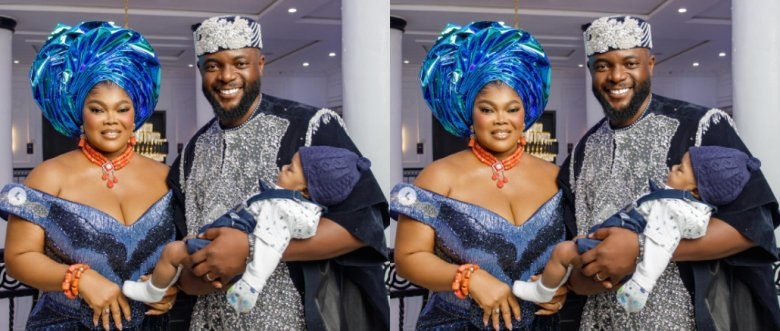
Nigerian street-hop sensation Portable has weighed in on the heated “Olodo Uprising” debate, using his personal journey to challenge societal perceptions about intelligence, success, and formal education. Speaking on The Honest Bunch Podcast, the singer expressed deep frustration over being repeatedly labeled an “Olodo” — a term often used in Nigeria to describe someone perceived as uneducated or unintelligent — despite his significant achievements. Portable highlighted his ownership of multiple properties, the building of a family, and securing a 10-year Canadian work permit as proof of his success and capability.
The father of seven opened up about his educational background, revealing that he was admitted to Kwara Polytechnic to study Business Administration but was forced to leave due to financial constraints. He recalled selling sachet water to survive after dropping out of school, a struggle that shaped his early life. Portable emphasized that while his father ensured his siblings received formal education, many of them have not yet secured government jobs, unlike him.
He pointed out that although he is the only member of his family without a higher education certificate, he is now the primary provider for many relatives. Portable stated that he supports and feeds numerous family members, a responsibility he takes seriously. His story underscores the argument that success and intelligence are not solely measured by academic qualifications.
Portable argued that societal judgment often overlooks the value of street wisdom and practical experience. He noted that despite his growing influence, international opportunities, and financial independence, some people still underestimate him because of his unconventional path. “I no finish school; the time wey I dey go school, I sell pure water. I no see anybody to sponsor me. I will still finish school; I be be student of Kwara Poly. My papa send my brothers and sisters go school, na me be Olodo, but now, na me dey feed all of them,” he said in the podcast.
His candid remarks have sparked widespread discussion across social media platforms, with many Nigerians reflecting on the complex relationship between formal education, street smarts, and financial achievement. The conversation has reignited debates about how society defines intelligence and success, especially in a country where academic credentials are often prioritized.
Portable’s story continues to resonate with young Nigerians who face similar challenges, offering a powerful narrative of resilience and self-made success. As the “Olodo Uprising” debate gains momentum, his voice adds a compelling dimension to the national conversation on opportunity, education, and personal achievement.


Leave a Comment