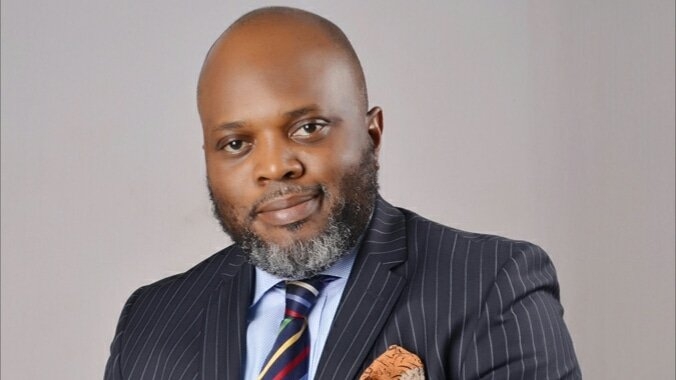
Phone snatching is no longer a major problem in Nigeria, according to Tope Fasua, Special Adviser to President Bola Tinubu on Economic Affairs, sparking a heated public exchange during a recent gathering in Abuja. The statement came after a woman confronted Fasua directly, expressing deep concern over rising insecurity, unaffordable ride-hailing services, and the growing fear of being robbed while using public transportation. She emphasized that ordinary Nigerians are living in constant danger, especially when it comes to personal safety on the streets, where phone snatching has become a daily threat for many. Her emotional appeal highlighted the link between economic hardship and rising crime, stating that underpaid security personnel and widespread poverty are driving people to desperate measures.
The woman, who spoke passionately during the event, argued that the government must address the real human suffering behind the statistics. “The gatesmen of your estates, your security guards, they are underpaid,” she said. “Therefore, this is equal to you being robbed or raped as a woman or as a human being. You can no longer walk on these streets without being robbed because they want your phone so they can sell it. Because the common man is coming from a place of survival.” She challenged Fasua to convey the gravity of the situation to President Tinubu, questioning how economic technocrats can truly understand the realities faced by average Nigerians. “With economists and statistics people, you have to be number-conscious. Nigerians are no numbers. We are real people going through real hell,” she added, urging the government to take immediate action to mitigate grassroots suffering.
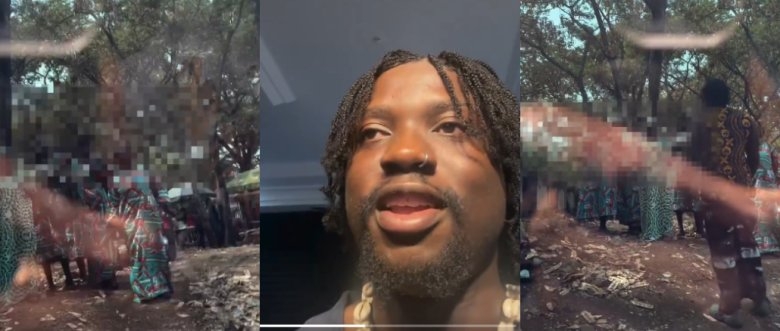
In response, Fasua attempted to downplay the severity of phone snatching by comparing Nigeria’s situation to that of other countries. He cited incidents in London and Cameroon, where phone theft is also common, suggesting that such crimes are not unique to Nigeria. “In the streets of London, go to UK, you see phone smashing,” he said, referencing a Cameroonian vlogger named Victorine who had shared similar experiences. Fasua maintained that Nigeria has made progress in tackling the issue, asserting that it is no longer a major crisis. “Nigerians have moved ahead from all these phone snatching. It is not a major crisis in Nigeria. I do my walks in the morning. I work everywhere. It’s not an issue,” he stated, urging against using security concerns as an excuse to criticize the country’s progress.
Another attendee, a man, challenged Fasua’s approach, accusing him of spiritualizing structural problems by focusing on mindset rather than systemic reforms. “I feel like you are now beginning to spiritualise the issues in Nigeria when you say mindset, because it’s not actually supposed to be a mindset, it’s a reality,” he said. Fasua responded by emphasizing individual responsibility, insisting that Nigerians can still improve their circumstances regardless of government performance. “There are things that each and every one of us can still work on to be able to survive better than we were surviving. There’s no amount of money that we have that we cannot give a little out of,” he said.
The exchange underscores a growing public demand for more responsive and empathetic governance, especially as Nigerians continue to grapple with rising insecurity and economic hardship. As the debate continues, the government faces increasing pressure to bridge the gap between policy and people’s lived realities.



Leave a Comment