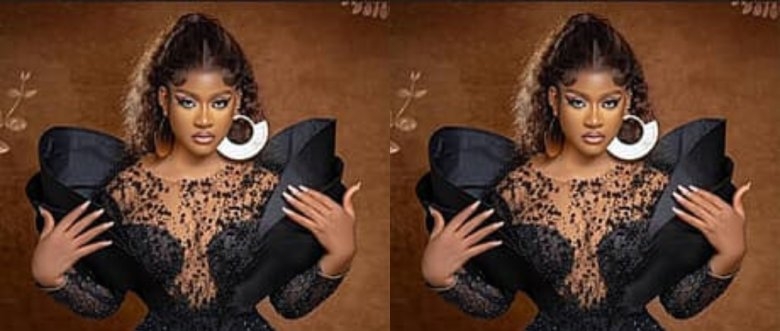
Nigerian reality TV star and former Big Brother Naija winner Phyna has sparked intense online debate after openly stating her decision not to have biological children, choosing instead to focus on raising pets. Her comments, shared on social media, have drawn both criticism and support, highlighting a growing conversation about personal choice and motherhood in Nigeria. Phyna, known for her bold personality and unapologetic views, defended her stance by citing her traumatic childhood experiences and emotional fears about parenting.
She explained that her upbringing played a major role in shaping her perspective on motherhood. Phyna expressed deep concern about repeating the parenting style she endured as a child, which she described as emotionally damaging. “I’m scared of becoming a parent like the one I had,” she wrote, emphasizing that she does not feel emotionally ready to take on the responsibility of raising a child. For her, the decision not to have children is not a rejection of family, but a protective measure for both herself and any potential child.
The backlash came swiftly, with many social media users accusing her of being selfish or failing to meet societal expectations of womanhood. Phyna responded with frustration, calling out what she described as outdated and hypocritical views. “Dumb country people, so me not wanting a child is what makes me a failure and resulting to all this insults na,” she wrote. She accused critics of clinging to beliefs from the 1960s, adding that such mindsets are holding Nigeria back compared to more progressive societies.
Despite the criticism, Phyna remains firm in her decision. She emphasized that her choice is personal and deeply rooted in her life experiences. Her message resonated with many young Nigerians who are increasingly redefining traditional roles and embracing individual autonomy. While some view her stance as controversial, others see it as a courageous step toward self-awareness and emotional honesty.
The debate around Phyna’s comments reflects a broader shift in Nigerian society, where conversations about reproductive rights, mental health, and personal freedom are gaining traction. As more public figures speak openly about their choices, the conversation around motherhood is evolving beyond rigid cultural norms. Phyna’s voice adds to this growing movement, challenging societal expectations and encouraging others to reflect on their own values and experiences. Her story may continue to influence how Nigerians view personal agency in family and life decisions.


Leave a Comment