
Nigeria’s Foreign Exchange Reforms Drive Unprecedented Capital Inflows in 2025
The Central Bank of Nigeria (CBN) has reported a remarkable surge in foreign capital inflows, reaching US$20.98 billion in the first ten months of 2025, marking a significant milestone in the country’s economic recovery efforts. This represents a 70% increase from 2024 and a dramatic 428% jump from the US$3.9 billion recorded in 2023.
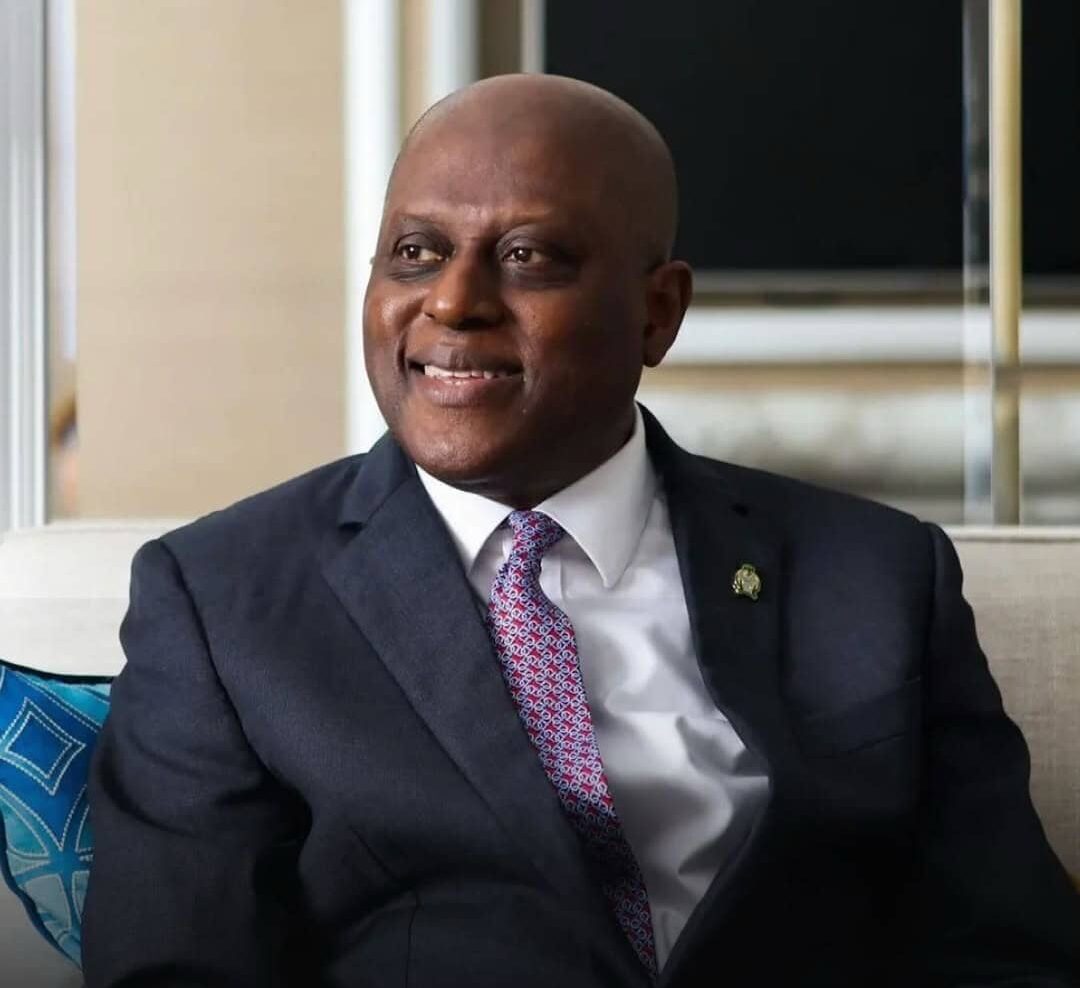
CBN Governor Olayemi Cardoso attributes this impressive growth to restored investor confidence following comprehensive forex reforms implemented since his appointment in October 2023. The reforms have successfully cleared a previously crippling multi-billion dollar FX backlog and unified multiple exchange rate windows.
Economic Transformation and Recovery Speaking at the 60th dinner of the Chartered Institute of Bankers of Nigeria (CIBN), Cardoso detailed the challenging economic landscape his administration inherited, including surging inflation, evaporated FX liquidity, and weakened trust in economic management. The economy has since transitioned from crisis management to sustainable recovery, with GDP growing by 4.23% in the second quarter of 2025—the strongest performance in four years.
Inflation, which peaked at 34.6% in November 2024, has significantly decreased to 16.05% in October 2025, marking seven consecutive months of disinflation. Food inflation has also shown remarkable improvement, falling to 13.12% in October 2025.
GDP Rebasing and Economic Growth The National Bureau of Statistics reports strong economic performance, with third-quarter 2025 GDP growth at 3.98%, surpassing the 3.86% recorded in the same period of 2024. In nominal terms, the economy reached N113.587 trillion, showing an 18.12% year-on-year growth.
The recent GDP rebasing exercise revealed significant growth in nominal GDP figures: – 2019: N205.09 trillion – 2020: N213.63 trillion – 2021: N243.30 trillion – 2022: N274.23 trillion – 2023: N314.02 trillion – 2024: N372.82 trillion
Banking Sector Reforms The CBN has initiated a new round of bank recapitalization to support President Bola Ahmed Tinubu’s ambitious goal of achieving a $1 trillion GDP by 2030. Twenty-seven banks have already raised capital to meet the new requirements, strengthening the financial sector’s capacity to support economic growth.
Expert Analysis The Centre for the Promotion of Private Enterprises (CPPE) acknowledges the positive impact of these reforms while emphasizing the need to address ongoing cost-of-living challenges. Dr. Muda Yusuf, CPPE’s Director/CEO, recommends focusing on reducing structural bottlenecks and strengthening agricultural productivity to ensure economic growth translates into improved living standards for all Nigerians.
The reforms continue to attract both domestic and international investor interest, suggesting a positive outlook for Nigeria’s economic future, though challenges remain in ensuring these gains benefit all segments of society.




Leave a Comment