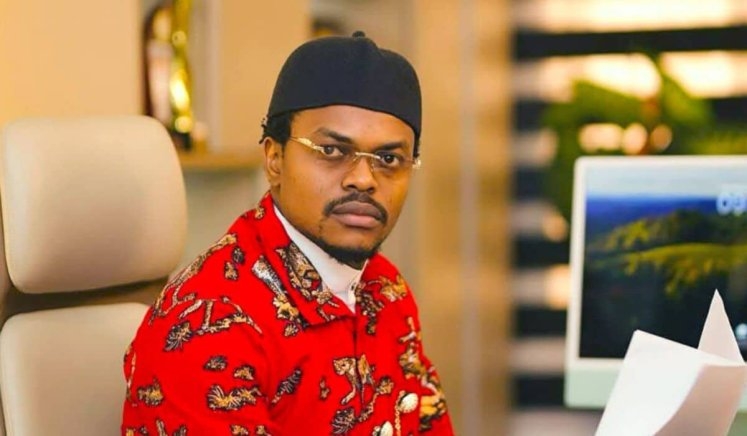
The influencer also mentioned that inmates treated him with respect and even engaged him in recreational activities. According to Blord, they organised football matches and other games for him during his time there. “We played football and they organised games for me,” he added, indicating a positive interaction with fellow detainees. This level of engagement suggests a degree of social integration within the facility, despite the circumstances.
Blord’s account contrasts with that of another social media personality, Martins Vincent Otse, known as VeryDarkMan, with whom he recently had a public dispute. Blord implied that their experiences at the correctional centre were vastly different, though he did not elaborate on the specifics of VeryDarkMan’s treatment. His remarks have sparked discussions online about the varying conditions within correctional facilities and the treatment of high-profile individuals.
While Blord’s description paints a picture of relative comfort, it also raises questions about equity and access within the Nigerian prison system. His experience, though unique, may reflect broader issues of privilege and resource allocation in correctional institutions. As public discourse continues, Blord’s revelations may prompt further scrutiny of how inmates are treated based on their social status or influence.
The story has gained traction on social media platforms, with many users reacting to his claims. As the conversation unfolds, it remains to be seen whether such accounts will lead to policy changes or increased transparency in Nigeria’s correctional services. Blord’s experience, whether viewed as an anomaly or a symptom of systemic disparities, continues to draw attention to the human side of incarceration in Nigeria.


Leave a Comment